Media Conversion
FAQs
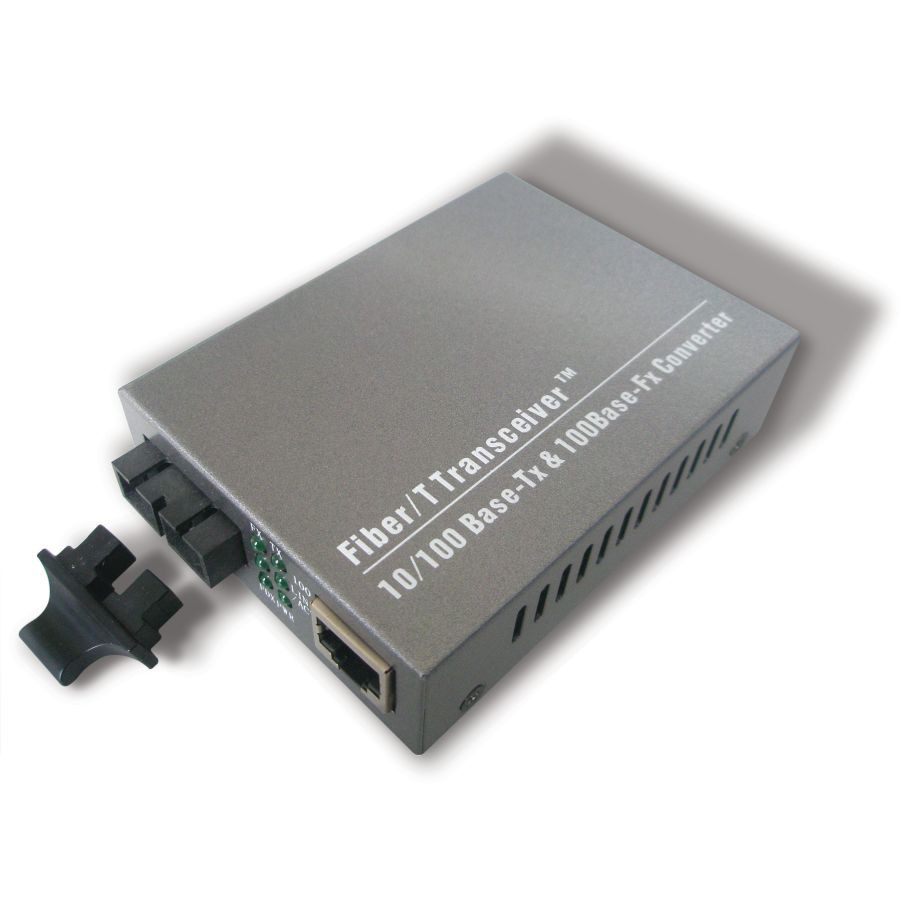
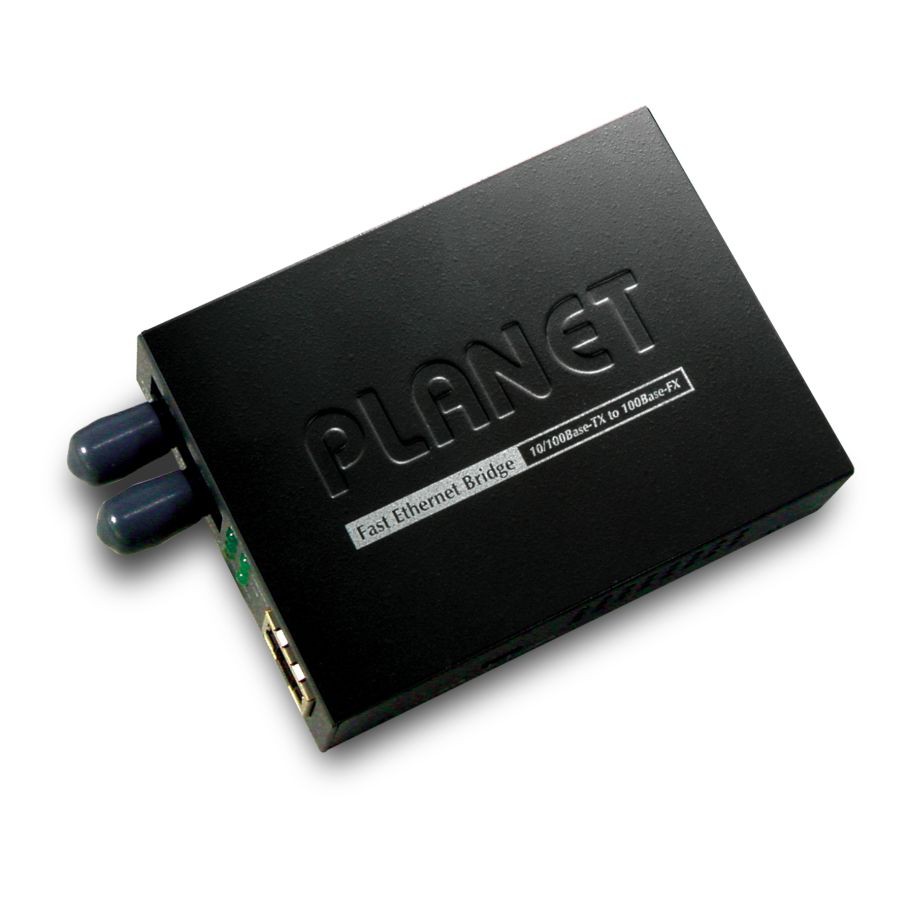
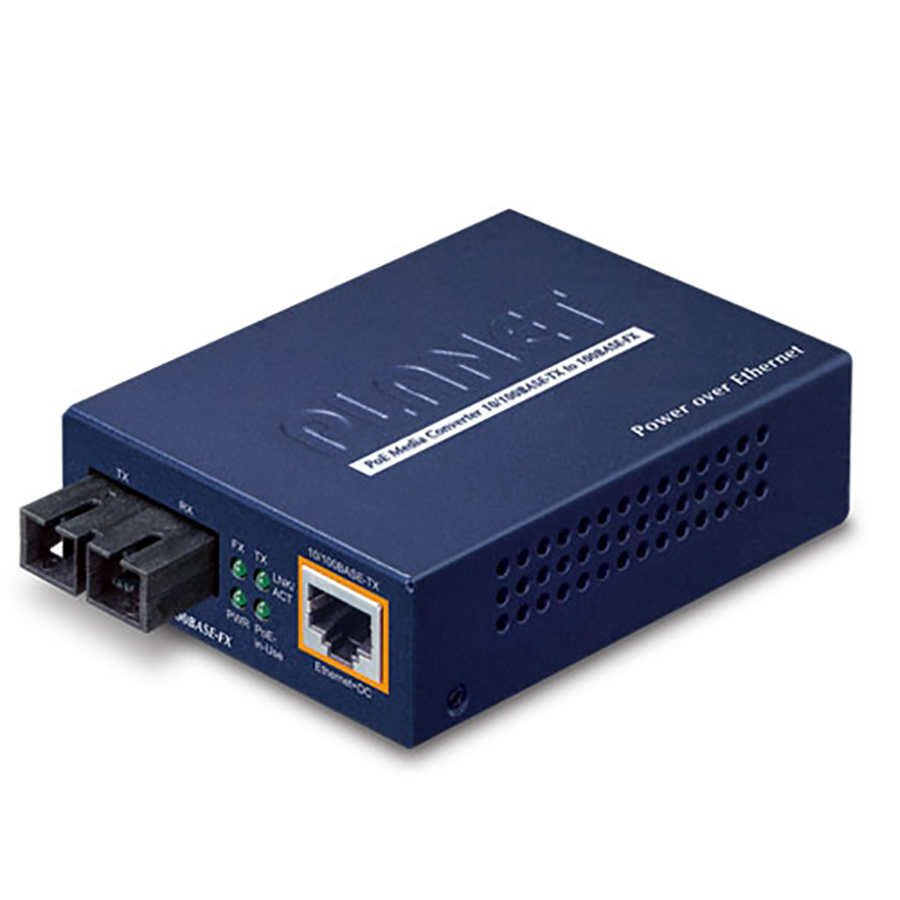
A media converter is a device that enables communication between different types of network media, typically converting signals between copper Ethernet (RJ45) and fibre optic cabling. It allows businesses to extend network distances and integrate fibre connectivity into existing copper-based networks. Media converters are essential for linking LANs, data centers, telecom systems, and industrial networks, where different cabling types or transmission speeds are used.
Netceed offers a comprehensive range of media converters to support various data rates and applications:
- Fast Ethernet Media Converters (100Mb/s), ideal for smaller networks or legacy systems.
- Gigabit Ethernet Media Converters (1Gb/s), suitable for modern enterprise networks needing high speed connectivity.
- 10G Ethernet Media Converters, used in data centers and backbone connections where ultra high bandwidth is required.
- Industrial Media Converters, ruggedised for extreme temperatures and harsh environments, featuring DIN rail or wall mount options.
- Media Converter Chassis Systems, modular solutions that can house and power multiple converter modules, ideal for centralised rack installations.
When selecting a media converter, consider the following:
- Network speed, match your devices’ speeds (Fast, Gigabit, or 10G Ethernet).
- Distance and media type, choose the appropriate fibre (singlemode or multimode) and connector (SC, LC, or SFP).
- Power and environment, for industrial sites, select DIN rail mount converters with wide operating temperature support.
- Scalability, for multi site or rack installations, opt for a chassis based modular converter system.
- PoE support, some models can inject or extend Power over Ethernet (PoE) for powering cameras or access points across fibre links.
Benefits include:
- Extended network range, fibre conversion enables transmission over kilometres instead of metres.
- Cost effective upgrades, allows integration of fibre without replacing existing copper infrastructure.
- Flexibility, supports multiple fibre types, connectors, and speeds.
- Reliability, reduces signal interference and improves transmission stability.
- Scalability, modular chassis systems support future expansion with multiple converter cards.