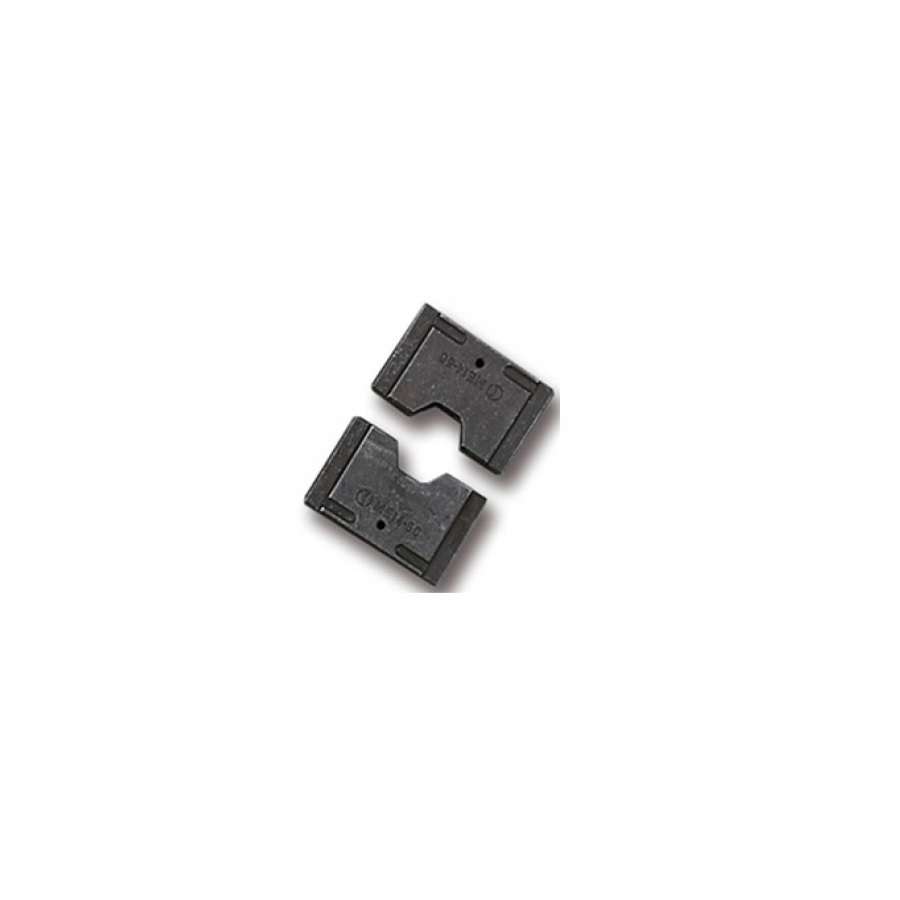
Crimping Pliers
FAQs
Crimping pliers are hand tools used to attach connectors, terminals, or ferrules to the ends of cables by compressing or “crimping” them securely. They are essential in electrical, telecom, and data cabling installations, ensuring strong, conductive, and reliable terminations. By using the correct crimping tool, installers can achieve safe and durable connections without soldering, ideal for bootlace ferrules, RJ45 plugs, BT connectors, and insulated terminals.
Netceed offers a wide selection of crimping tools for various applications:
- Bootlace ferrule crimping tools create tight terminations on ferrules for stranded wire, improving electrical contact.
- Crimping pliers for BT plugs are used to crimp connectors on telephone leads and voice cabling systems.
- Hydraulic crimping tools are heavy duty tools for large gauge power or grounding cables, providing high pressure crimps.
- Insulated terminal ratchet crimp tools apply consistent pressure for insulated ring, spade, or butt connectors.
- Jelly crimping pliers are used with gel-filled connectors (jelly crimps) for weatherproof telecom connections.
- Ratchet hex crimping tools deliver precise, hexagonal crimps for high-quality electrical fittings.
- RJ45/RJ11 crimping pliers terminate modular plugs for Ethernet (RJ45) and telephone (RJ11) cables.
Each tool is tailored to a specific connector type, ensuring the right compression and electrical performance.
When selecting a crimping tool, consider:
- Cable and connector type, ensure compatibility with the terminal (e.g., RJ45, ferrule, insulated lug).
- Wire size or AWG rating, choose a tool rated for the conductor gauge you are crimping.
- Frequency of use, for regular installations, select ratcheted or hydraulic tools for efficiency and precision.
- Ergonomics, tools with comfortable grips and ratchet release mechanisms reduce fatigue during repetitive work.
- Durability and calibration, look for hardened steel construction and easily adjustable dies or heads for consistent results.
Benefits include:
- Reliable electrical performance, ensures strong, low-resistance connections.
- Consistency and accuracy, ratchet and hex mechanisms provide uniform pressure every time.
- Speed and efficiency, reduces preparation and termination time in large scale installations.
- Safety, prevents poor crimps that can cause overheating or signal loss.
- Versatility, compatible with a wide range of terminals, ferrules, and connectors used across electrical, data, and telecom systems.