Transformers & Accessories
FAQs
Netceed offers a range of power conversion and transformer related products for different power requirements, including:
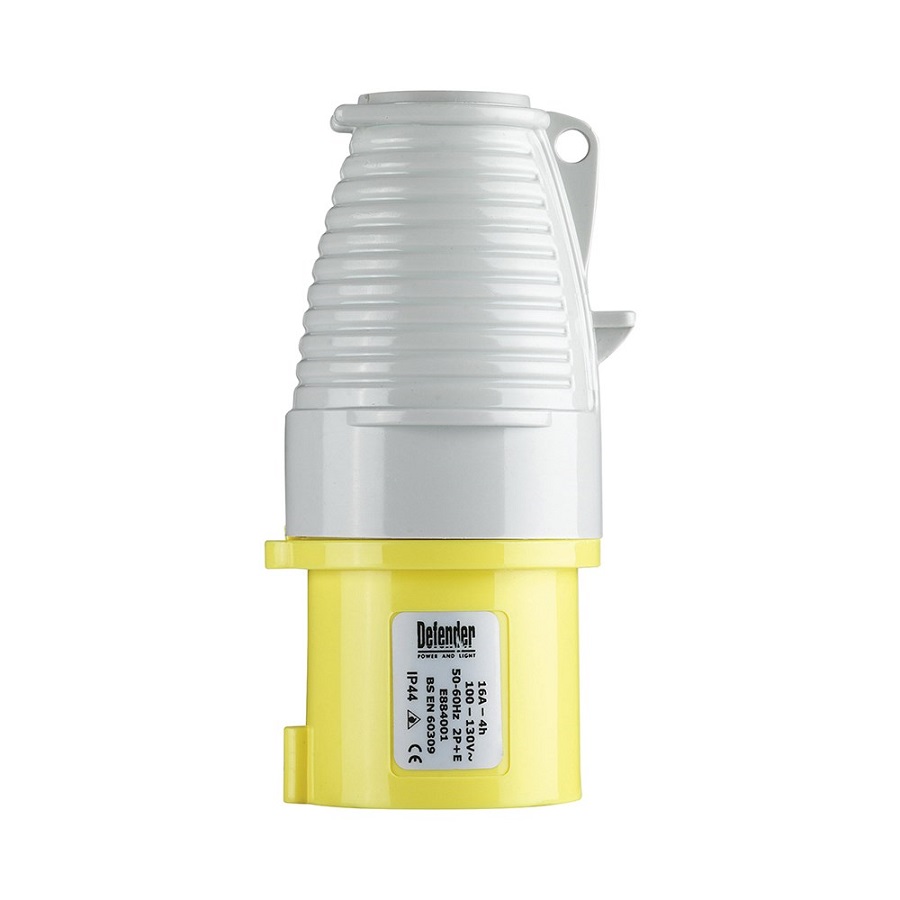
- 110V extension leads for use with legacy or specialist 110V equipment. These leads adapt typical 230V supply points to 110V devices safely.
- DC to AC inverters convert DC power (e.g., from batteries or solar panels) into AC mains power, useful for powering standard AC equipment in mobile, off grid, or backup scenarios.
- Site transformers (step-down /step-up units) are heavy duty transformers for construction sites or installations where voltage conversion or isolation is required, useful for machinery, temporary power, or legacy equipment.
- Transformer accessories, includes distribution boards, fused outlets, protective housings, isolating transformers, surge protection modules, and wiring accessories needed to install and use transformers safely.
These products allow safe power conversion, temporary or mobile power supply, and support a variety of use cases from site work to backup power setups.
When selecting a power conversion or transformer product, consider the following:
- Voltage and rrequency requirements. match the output voltage (110 V or 230 V) and frequency to your equipment. Use appropriate extension leads or transformers if equipment requires 110 V.
- Power (wattage) and current demand, ensure the inverter or transformer supports the required load, check peak and continuous wattage for inverters, or current rating for transformers.
- Input power source, for DC to AC inverters, determine whether the input is battery, solar, or another DC source and that voltage matches.
- Duty and usage environment, for site work or industrial use, choose robust, weather resistant, and overload protected units. For indoor or home use, lighter duty models may suffice.
- Safety and protection features, look for overload protection, fuses, earth/grounding options, isolation, surge suppression, and compliance with electrical standards.
Matching the power product to the load, supply, and environment is critical for safe and reliable operation.
They are commonly used in a variety of settings, including:
- Construction and work sites, portable transformers, 110 V leads, and inverters supply power to tools, lighting, and temporary equipment.
- Telecom, IT, and data cabinets, step-down transformers or inverters may be used to power legacy 110 V equipment or isolated power supplies.
- Remote or off grid installations, DC to AC inverters are essential when using battery or solar power to run regular AC devices.
- Workshops and garages for powering both standard and legacy equipment, especially if older tools require 110 V.
- Backup power systems use inverters or transformers alongside UPS or battery systems to provide temporary AC supply during outages.
These applications benefit from flexible, conversion capable power solutions where standard mains supply may not suffice.
To ensure safe, compliant, and effective use:
- Always match the device’s voltage and current requirements exactly to the transformer or inverter specifications.
- Use proper cable sizes and quality leads, undersized cables can overheat when carrying high current.
- Ensure proper grounding/ arthing when required, especially for metal cased equipment or AC output.
- For inverters: ensure the input DC source (battery or solar) is stable, properly fused, and compatible with the inverter’s input range.
- Avoid overloading transformers or extension leads, check continuous and peak load ratings.
- Install protective devices such as surge protectors, fuses, circuit breakers, and isolators to guard against faults or surges.
- Keep units in well ventilated and dry surroundings, particularly when handling high loads or outdoor use.
- Regularly inspect cables, connectors, and housings for damage, wear, or overheating.
Good practices help ensure longevity, safety, and compliance with electrical regulations.