Sound & Public Address
FAQs
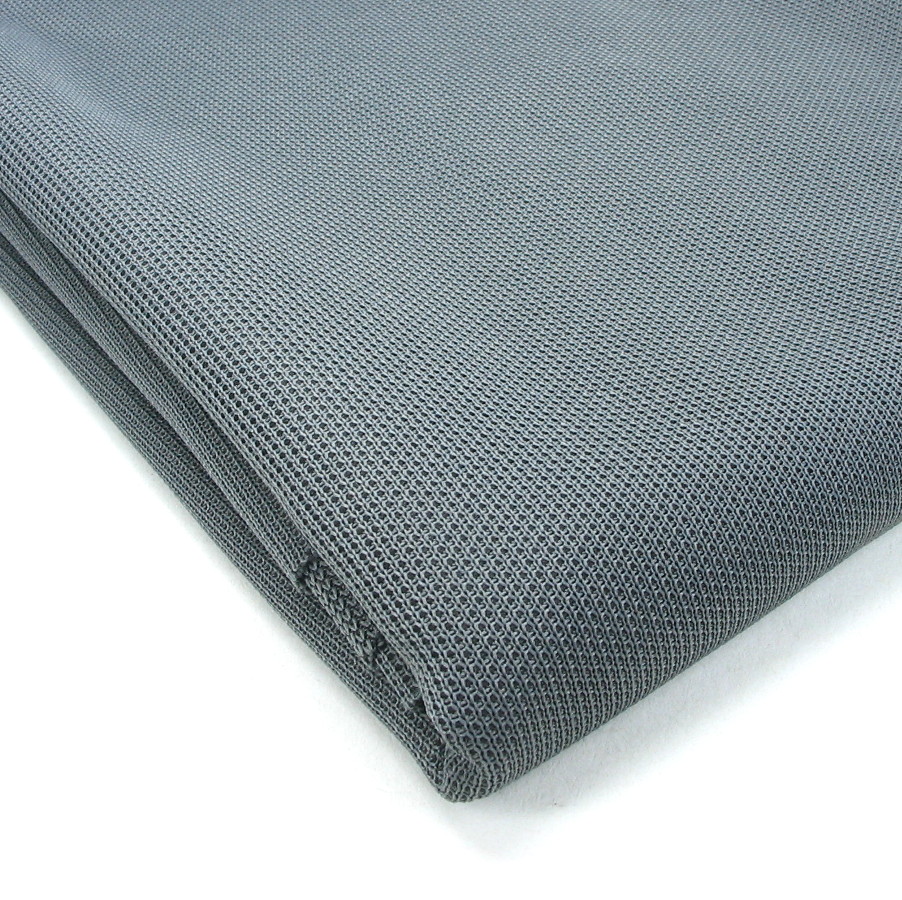
Acoustic speaker fabric is a specially designed, acoustically-transparent material used to cover speakers, PA systems, soundbars, subs, and audio baffles without blocking or colouring the audio output. It allows sound to pass freely while providing:
- A clean, professional appearance for speakers
- Protection from dust, dirt and accidental contact
- Aesthetic blending into walls, ceilings or cabinets
- Uniform finish for venues, offices or home AV systems
It’s commonly used in auditoriums, meeting rooms, retail spaces, houses of worship, and home cinema setups.
When selecting acoustic speaker fabric, consider:
- Acoustic transparency: The most important factor, the material should not noticeably reduce clarity, volume, or high frequency detail.
- Stretch & flexibility: Stretch fabrics are ideal for wrapping around speaker grilles or curved surfaces.
- Colour & finish: Choose colours that complement the environment, black for discreet installations, lighter colours for décor matching.
- Durability: For public venues or high traffic areas, choose hard wearing, snag resistant materials.
- Fire safety ratings: Some projects require flame retardant acoustic fabric; check compliance with local standards.
The right fabric improves both aesthetics and performance without compromising audio quality.
These products are used across a wide range of AV, commercial and public environments:
- Conference rooms & boardrooms, discreet speaker covers for wall or ceiling mounted sound systems.
- Schools & lecture theatres, protecting speaker grilles in busy classrooms or auditoriums.
- Retail & hospitality, blending speakers into ceilings, shopfitting designs or themed environments.
- Places of worship, ensuring PA systems are unobtrusive while maintaining sound clarity.
- Theatres & event spaces, covering speakers, subs, acoustic panels or stage audio equipment.
- Home cinema installations, improving visual clean-lines while hiding speakers behind fabric walls or panels.
Any environment that values clear sound and neat appearance benefits from acoustic fabric.
For optimal performance and appearance:
- Keep the fabric tension even to avoid sagging that could distort audio reflections.
- Avoid blocking driver ports or vents, ensuring free airflow for natural sound performance.
- Use proper adhesives or staples compatible with the fabric and mounting surface.
- Cut neatly around corners and edges to maintain a professional finish.
- Allow enough distance between the fabric and speaker cones to prevent contact during loud playback.
- Check acoustic transparency before final installation, particularly for high frequency drivers.
- For public installations, ensure the fabric meets required fire safety standards.
Following these steps ensures a reliable, attractive, and acoustically transparent installation.