Voice Cords & Leads
FAQs
Voice cords and leads are pre-terminated cables used to connect telephones and communication devices to wall sockets or network systems. They provide a flexible, plug-and-play solution for extending or linking telephone handsets, bases, and line connections in both residential and office environments. These cords ensure clear audio transmission, minimal signal loss, and reliable performance across standard telephone systems.
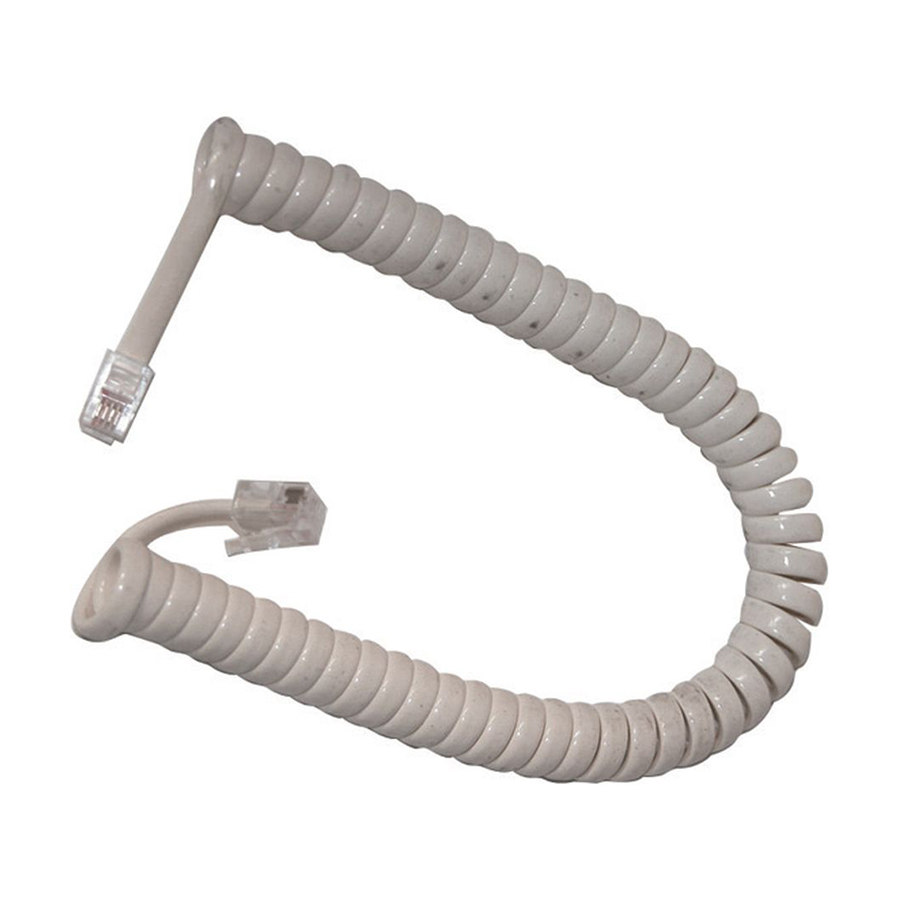
Handset cords are coiled cords that connect the telephone handset to the base unit, allowing flexibility and movement while maintaining signal quality.
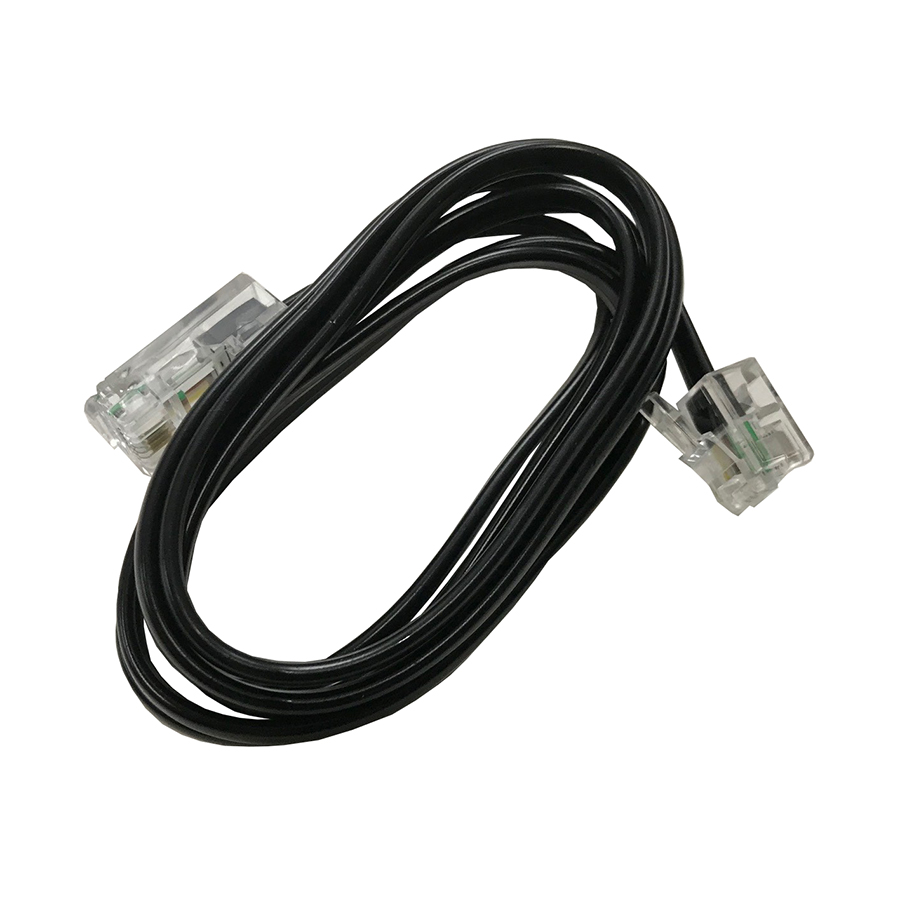
Line cords are straight leads that connect the telephone base to a wall socket or network port, typically with RJ11 or BT-style connectors.
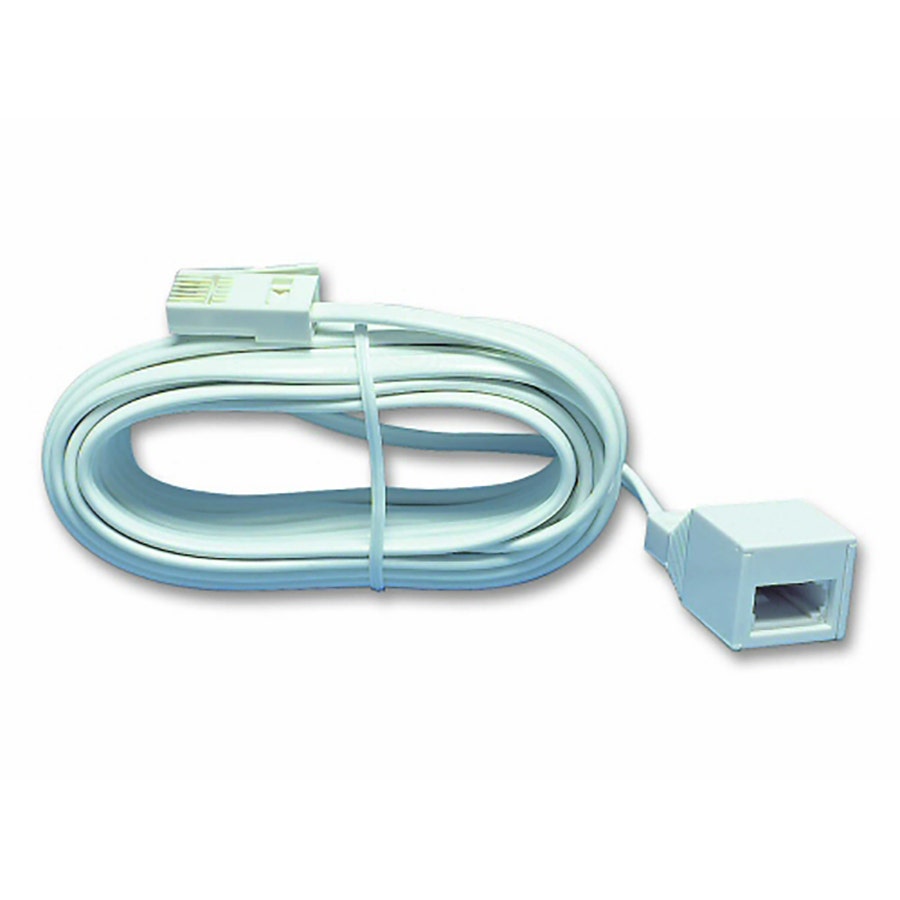
Telephone extension cords are longer cables used to extend the distance between the phone and the wall socket, ideal for home or office layouts requiring added reach.
Each type serves a specific role within a complete voice cabling setup, from the desk to the network entry point.
Consider the following factors:
- Connector type, check whether your system uses RJ11, RJ12, or BT-style plugs.
- Cord length, choose a suitable length for your layout while avoiding unnecessary slack.
- Cable quality, opt for shielded or high grade cables in professional environments to reduce interference.
- Colour and finish, select cords that match your existing equipment for a clean, consistent look.
- Environment, use extension cords rated for indoor use only, outdoor applications require protected cabling.
Benefits include:
- Clear communication, ensures minimal line noise or signal interference.
- Durability, high quality materials reduce wear and tangling, especially in coiled handset cords.
- Flexibility, plug-and-play installation without the need for tools or rewiring.
- Compatibility, works with most analogue and digital telephone systems.
- Professional appearance, keeps installations tidy and consistent across offices or customer service areas.