Fibre Pigtails
FAQs
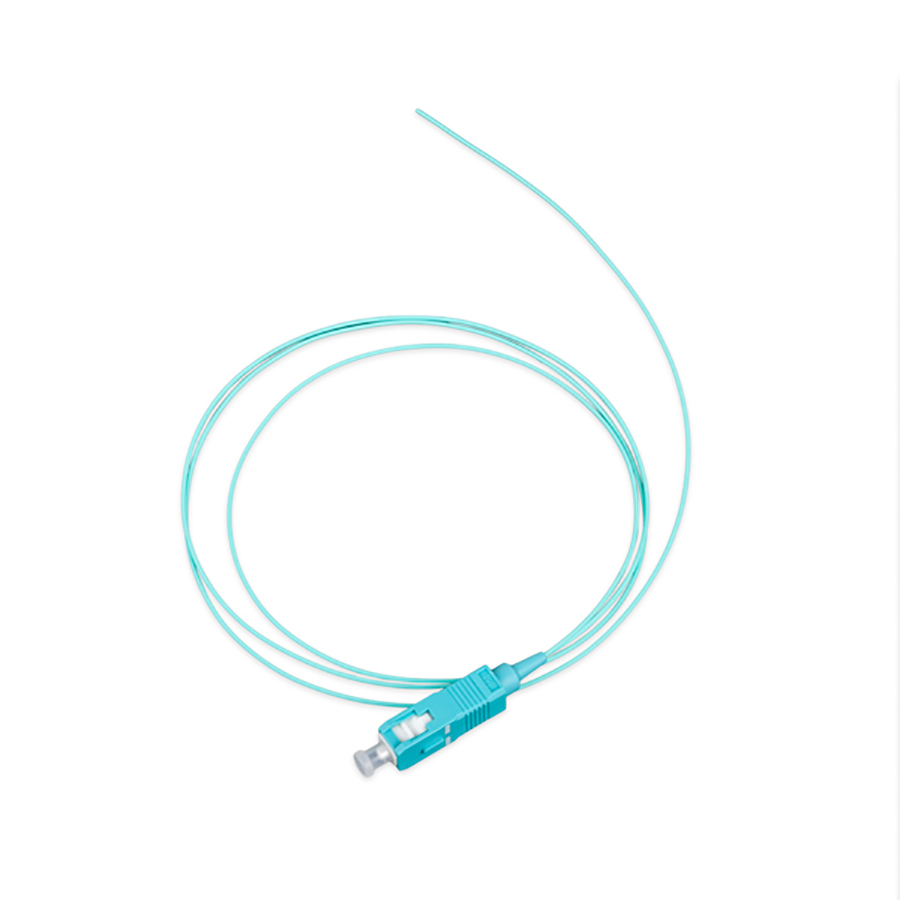
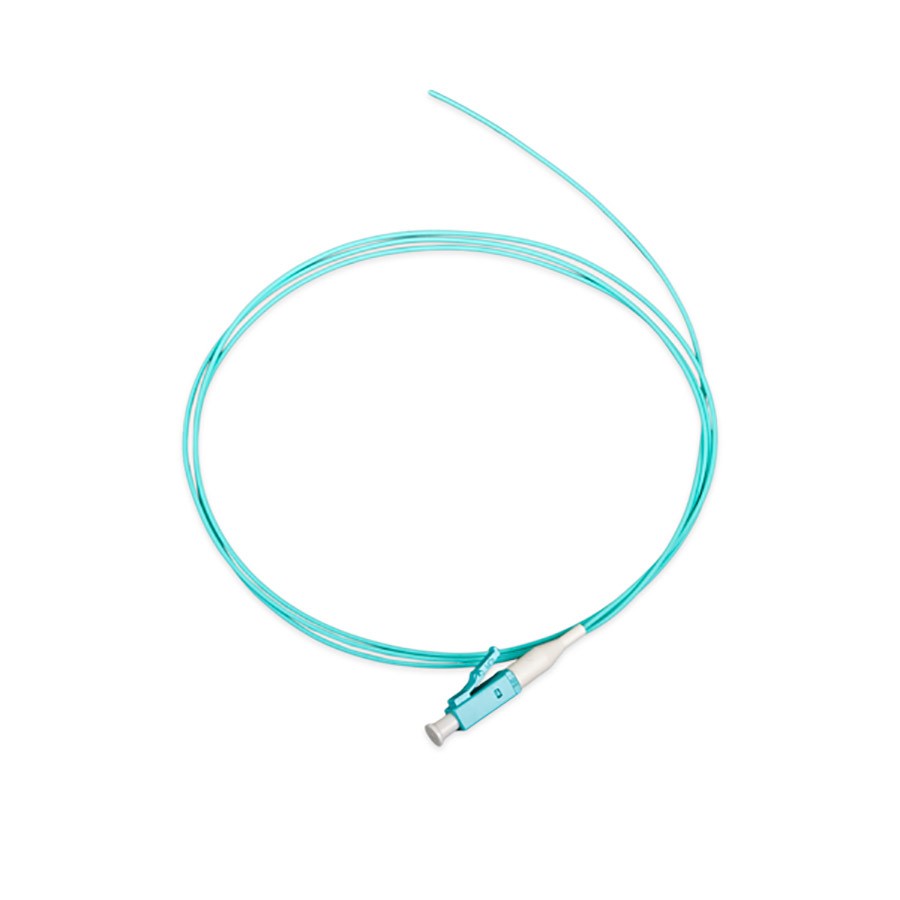
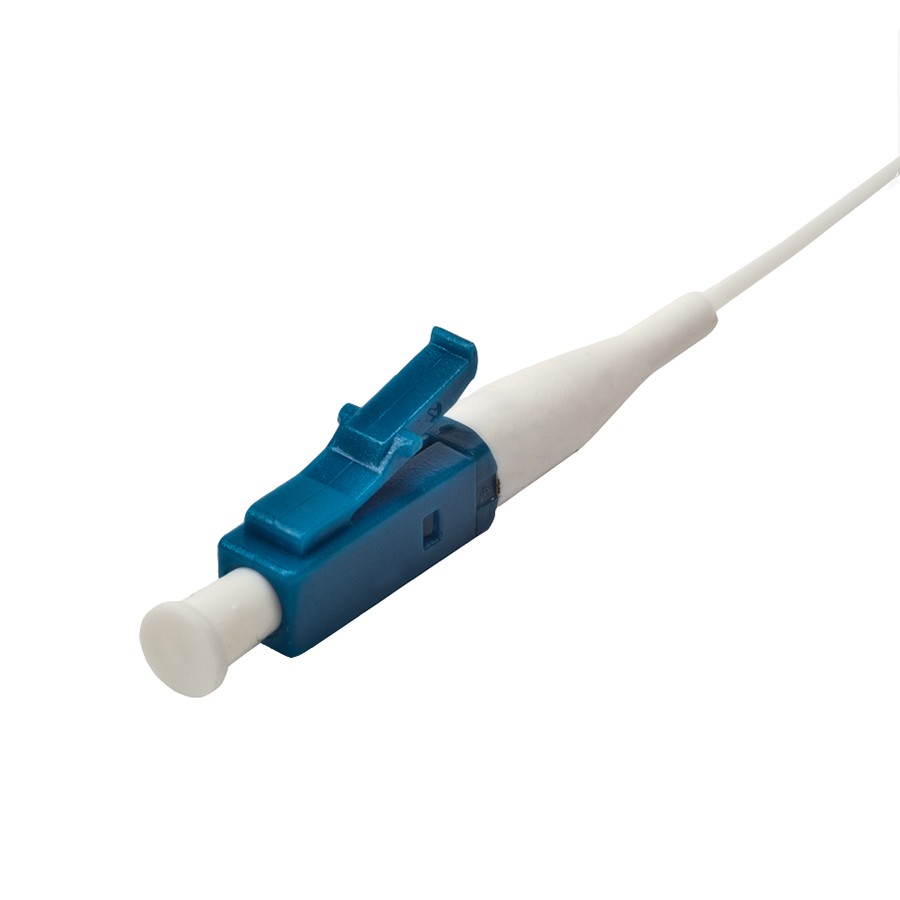
A fibre optic pigtail is a short length of optical cable preterminated with a connector on one end, while the other end is left bare for splicing. They are commonly used in patch panels, distribution boxes, and termination enclosures to connect fibre optic cables to active equipment or patch leads.
We offer pigtails with all the major connector types to match different network setups:
- FC / FC-APC fibre pigtails have screw-on design, ideal for telecom and test equipment.
- LC / LC-APC fibre pigtails have small form factor, widely used in high density data centers.
- SC / SC-APC fibre pigtails are a push-pull connector, common in FTTx and enterprise networks.
- ST fibre pigtails are a bayonet-style, often found in legacy and industrial networks.
APC (Angled Physical Contact) connectors are typically green and provide low back reflection, while UPC (Ultra Physical Contact) connectors are blue and used in standard applications.
Coloured pigtail packs provide a full set of colour coded fibres, following industry standards (typically 12 colours). This makes it much easier to identify and manage fibres during installation, splicing, and troubleshooting, especially in high density environments like data centers or FTTx distribution points.
Consider:
- Fibre type. Use OS2 singlemode for long distance or FTTx applications; OM3/OM4 multimode for shorter, high speed data center links.
- Connector type, match your patch panel, distribution box, or device ports (LC, SC, FC, ST).
Polish type , like UPC for general applications, APC for high performance or FTTx where return loss is critical.
- Pack size, like single pigtails for small jobs or coloured 12 pack sets for splicing larger fibre counts.