Basket Tray System
FAQs
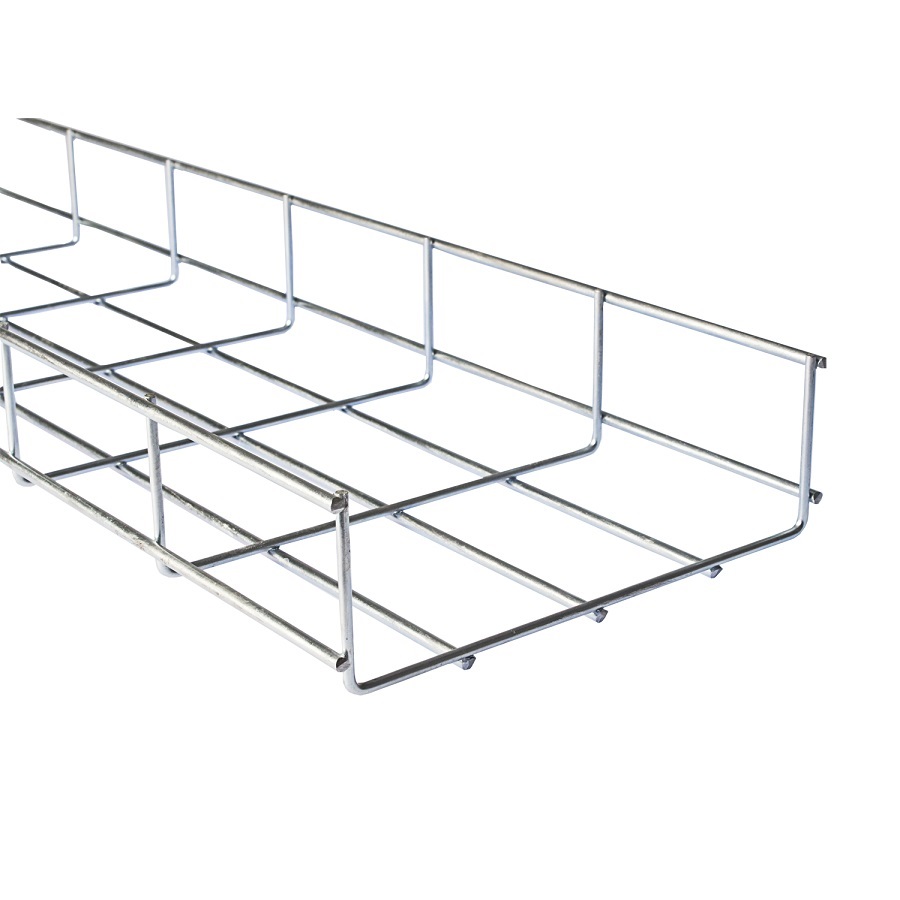
Basket trays are open wire mesh pathways designed to route and support large volumes of data, fibre, or power cables. They provide excellent airflow, easy access for cable moves or additions, and flexibility for changing network layouts. Common in data centers, commercial buildings, and industrial sites, they’re a lightweight alternative to traditional trunking.
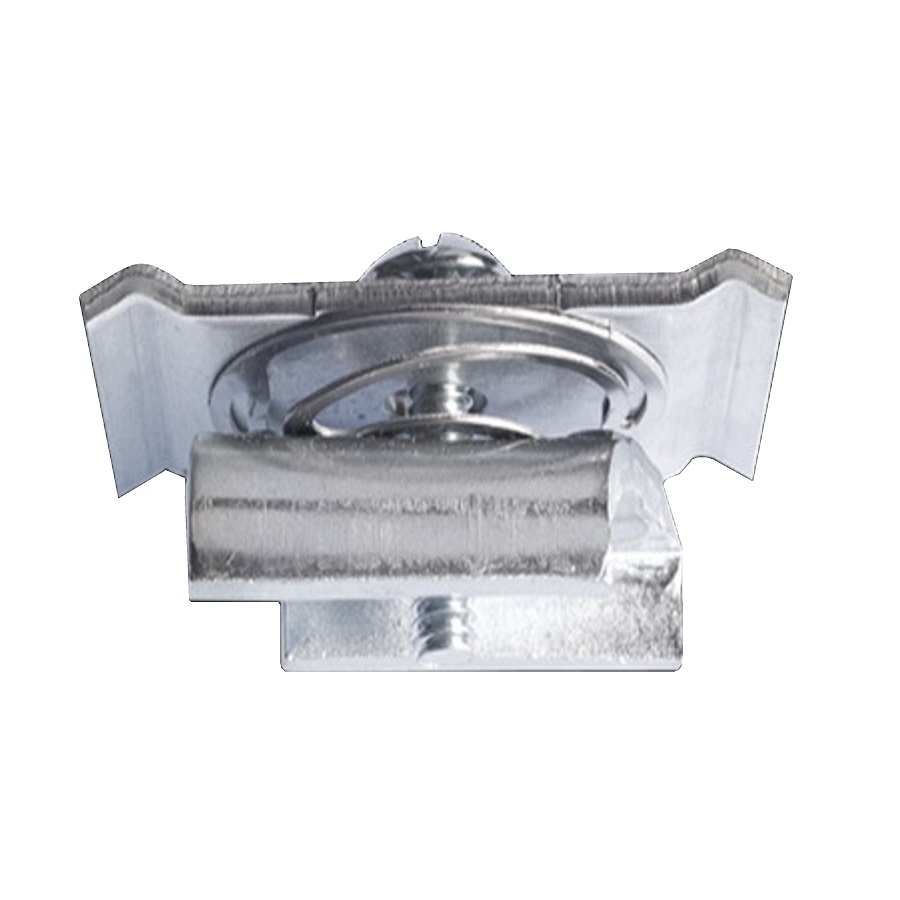
Basket trays are joined using couplers and clamps, which quickly connect two tray sections while maintaining structural strength. These accessories make installation faster and allow for easy reconfiguration. Most systems also offer bolt kits or quick fix clamps that reduce installation time compared to drilling or welding.
Tools include:
- Basket tray cutters or bolt cutters for cutting tray lengths to size without damaging the mesh coating.
- Couplers and clamps for joining sections securely.
- Fixing accessories to mount trays to walls, ceilings, or supports.
Using the correct tools ensures a clean finish, maintains cable safety, and extends the life of the tray system.
Benefits include:
- Lightweight and easy to install , faster to handle and configure.
- Improved airflow prevents overheating of power and data cables.
- Flexible routing with easy to cut and shape around obstacles.
- Cost effective as it requires fewer fittings and accessories compared to solid trunking.
This makes basket trays ideal for modern data cabling environments where capacity and flexibility are critical.