Jointing Closures & Accessories
FAQs
Jointing closures are used to protect, organise, and seal cable joints in outdoor telecom and FTTx networks. They provide:
- Environmental protection (IP-rated, UV resistant, water/gas tight)
- Mechanical protection for splices, connectors, and cable transitions
- Cable management for fibre trays, splitters, and copper joints
- Long term reliability in underground, pole mounted, façade, and chamber installations
They are essential for network expansion, repair, customer lead-ins, and distribution point connections.
Netceed supplies a complete range for fibre and copper networks, including:
- Connectorised block terminals (CBT) and drop cables for plug-and-play FTTx distribution for rapid customer connections
- Fibre optic in-line closures for splicing & distribution along long haul or feeder routes
- Fibre dome closures for high capacity splicing and branching in chambers or aerial deployments
- External fibre distribution boxes and nodes for customer distribution, splitter housing, and smaller splice points
- Fibre one-stop closures for combined splice, split, and distribution in a single enclosure
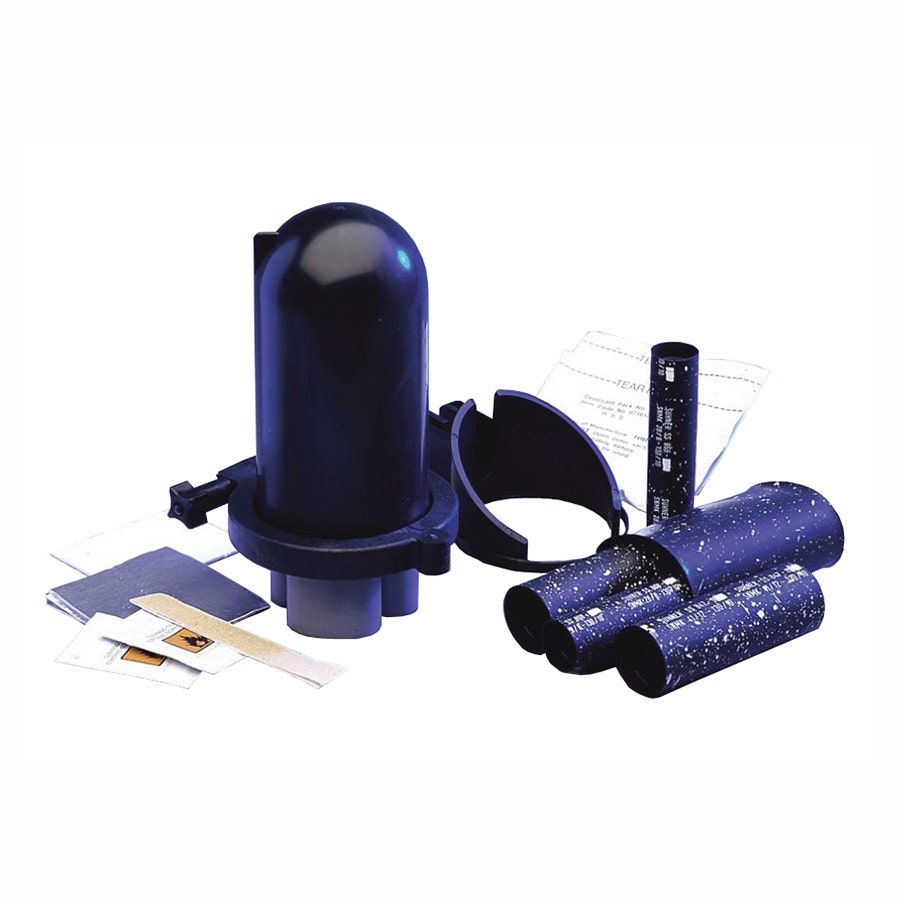
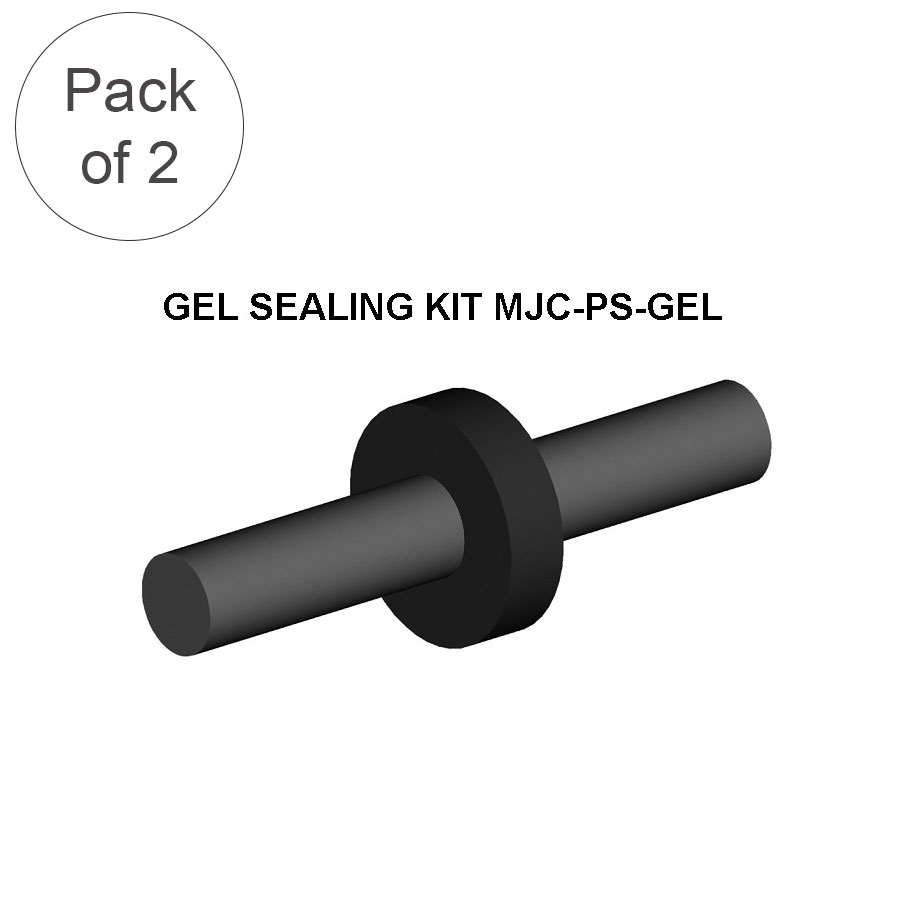
- Resin and gel filled closures for copper or fibre protection in harsh, moisture prone environments
- Copper dome and mechanical closure for external copper jointing, repair, and expansions
- Accessories like splice trays, seals, glands, mounting kits, adaptors, and mechanical entries
This range supports open access networks, FTTx builds, rural broadband, legacy copper, and fibre upgrades.
Selection depends on cable type, joint size, environment, and installation method:
For FTTx drop/connectorised networks:
- Choose CBTs and compatible pre-terminated drop cables.
For underground chambers:
- Use dome closures or resin filled closures for maximum sealing.
For fibre spine or distribution routes:
- Choose in-line splice closures with appropriate tray capacity.
For building entry or customer lead-ins:
- Use external fibre distribution boxes or compact one-stop closures.
For legacy copper networks:
- Use copper mechanical or dome closures, depending on joint size.
Always check:
- Entry capacity (number/size of ducts or cables)
- Splice tray count
- IP rating / sealing method
- Mounting type (pole, wall, chamber, aerial)
To ensure long lasting protection and performance:
- Clean and prepare cable sheaths and apply correct grounding if copper.
- Fit glands, seals, and heatshrink correctly to prevent moisture ingress.
- Use approved splice protection (heat shrink or mechanical splice sleeves).
- Maintain correct bend radius inside trays and routing systems.
- Record tray and fibre routing for future maintenance.
- For gel or resin closures ensure correct mixing, fill completely, and allow full curing time.
- Mount closures upright or as specified to maintain IP/pressure performance.
These steps help ensure network reliability, reduced maintenance, and compliance with FTTx/copper standards.