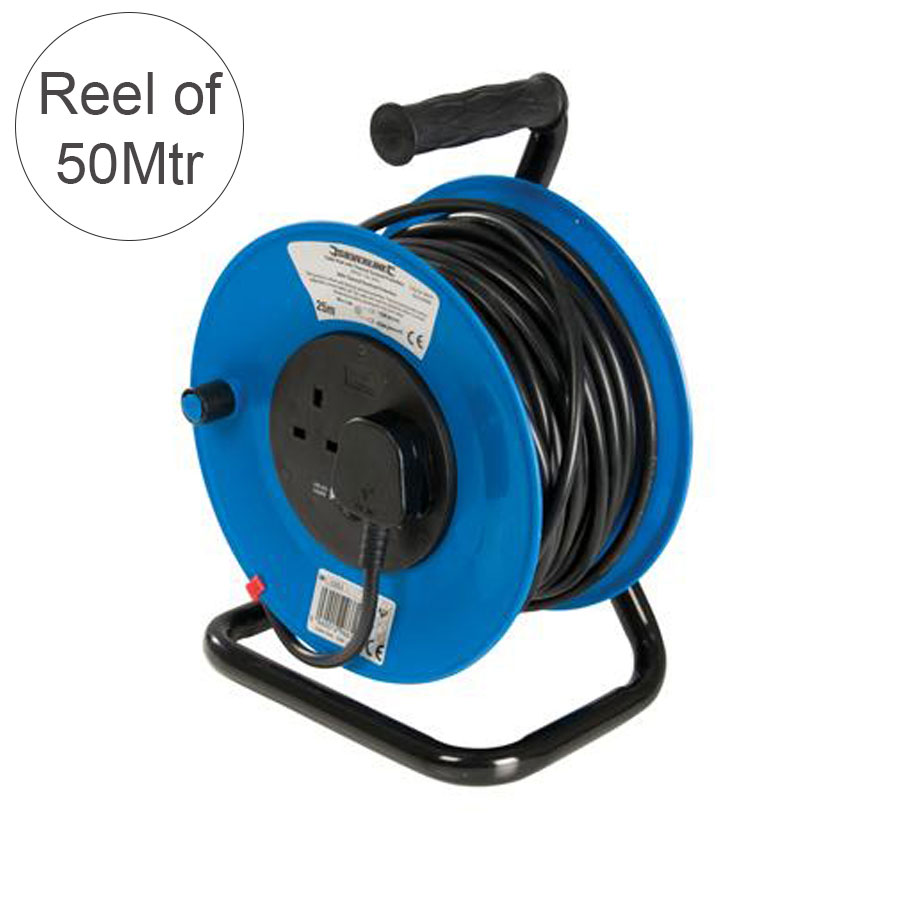
Cable Extension Reels
FAQs
Netceed offers several categories of extension reels designed for different environments and power demands:
- Standard cable extension reels are suitable for home, office, and light duty use. Ideal for powering small appliances, laptops, tools, and temporary setups.
- Industrial cable extension reels are designed for tougher environments such as construction sites, outdoor telecom work, workshops, and warehouses. Typically equipped with heavy duty cable, reinforced drums, thermal protection, and multiple socket outlets.
These reels provide safe, flexible, and reliable power distribution where fixed sockets are not available.
Key factors to consider include:
- Cable length. Longer lengths (25m, 50m, 60m) are ideal for large sites; shorter lengths suit indoor or controlled environments.
- Cable thickness/rating. Industrial reels often use 1.5mm² or 2.5mm² cable to support higher current loads safely.
- Socket type and quantity. Choose reels with enough outlets (typically 2-4 sockets) for your equipment.
- Thermal cut-out protection. Essential for preventing overheating due to heavy loads or cable still wound on the drum.
- Ingress protection (IP Rating). Higher IP ratings offer protection from dust and moisture, important for outdoor telecom and construction sites.
- Drum build quality. Steel or reinforced plastic drums withstand tough site conditions better than light duty ones.
These features help ensure safe and reliable power delivery for the tools and equipment used on-site.
Consider your environment and the power demands:
Choose a standard reel if you’re working in:
- Offices
- Indoor telecom rooms
- Light equipment setups
- Administrative environments
Choose an industrial or heavy duty reel if you’re working in:
- Construction or engineering sites
- Outdoor telecom or civil works
- Data center installation when powering tools
- Environments requiring long cable runs or rugged durability
Industrial reels are designed to handle heavier loads, rougher handling, and harsher weather conditions.
To ensure safe operation:
- Fully unwind the cable when using high-load equipment to prevent overheating.
- Check reels for cuts, abrasions, or damaged sockets before use.
- Do not exceed the stated maximum load rating, especially when the cable is coiled.
- Keep reels away from water unless they are IP-rated for outdoor use.
- Use reels with thermal cut-outs for added protection.
- Store reels indoors and avoid prolonged exposure to sun and moisture.
- Avoid daisy chaining multiple reels together.
These practices help prevent electrical hazards and maximise the lifespan of your equipment.